
The Beacon Room is a project space at BAU Gallery that allows emerging and established artists to experiment and expand their visual language through multidisciplinary exhibitions and interactive programming in an intimate setting. It is a space for risk-taking, dialogue, new thinking, and cultural conversation.
On View June 12—July 5
Bau Gallery Artists: Convergence
BAU Gallery is pleased to present Convergence 2026, an all-member exhibition June 12 through July 5. In 22 years of presenting and promoting diverse artwork, BAU believes that seemingly unrelated artistic visions and practices can come together to create vibrant, unexpected, yet cohesive experiences for artists and viewers alike. With 14 members, BAU offers emerging and mid-career artists, whose practices span drawing, painting, sculpture, ceramics, photography, video, sound and more, a venue to experiment and engage communities in conversation about the meaning of artmaking and the critical importance of the visual arts in contemporary life.
Participating Artists: Robin Adler, Karen Allen, Bob Barry, Joel Brown, Dan Florin, Nate Hill, Nataliya Hines, George Kimmerling, Linda Lauro-Lazin, Nansi T. Lent, Síle Marrinan, Soli Pierce, Eileen Sackman, and Ilse Schreiber-Noll. Visit https://www.baugallery.org/artists-current for artist information.
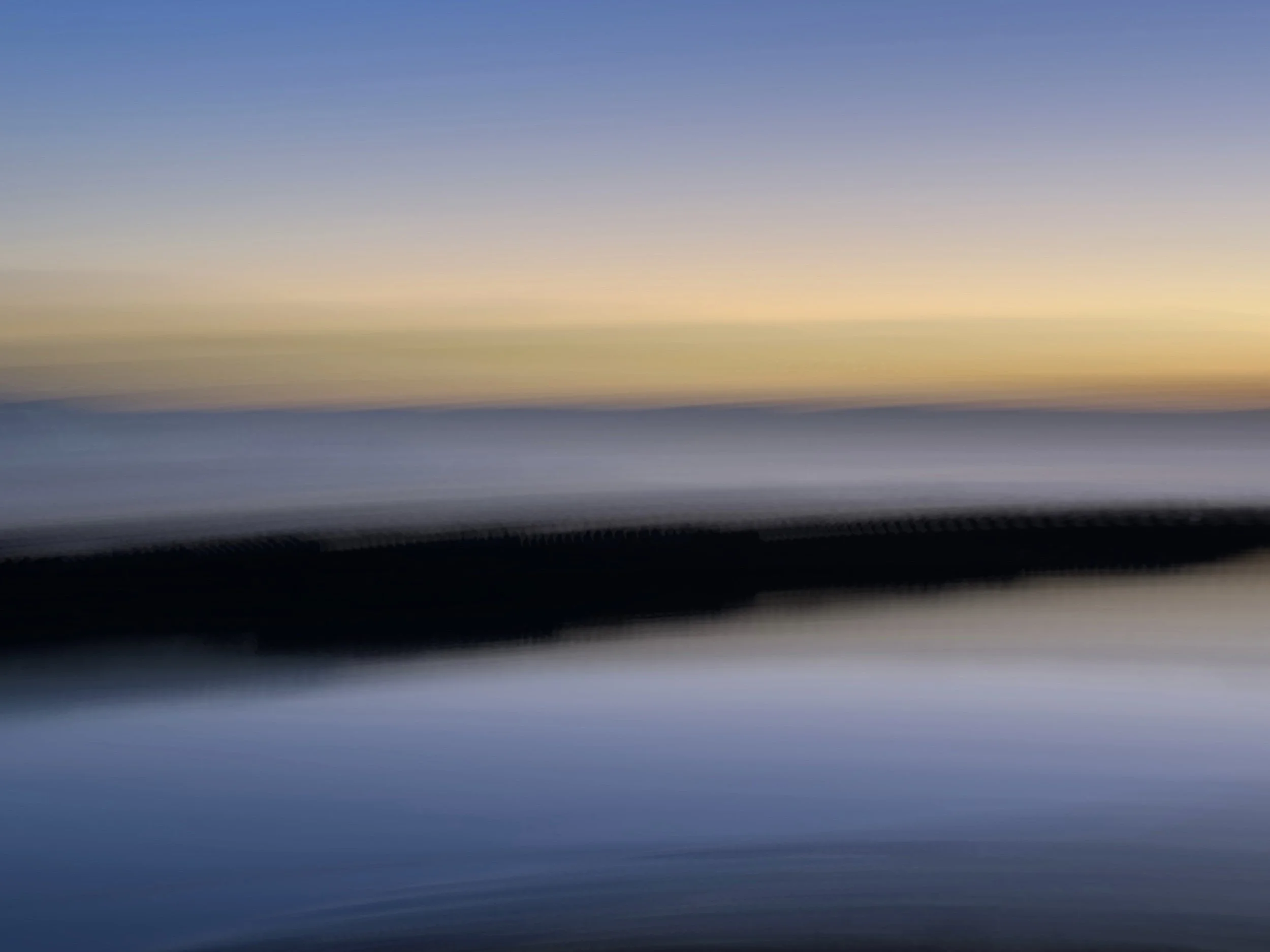
Soli Pierce, Nightfall, 2026, long-exposure photograph printed on aluminum, 24 in. x 30 in.